
Desbloqueando el futuro del bienestar
GHK-Cu Peptide For Hair Growth Research Applica...
GHK-Cu is a copper-binding peptide studied for stimulating hair follicle growth, extending the anagen phase, reducing inflammation, and improving scalp blood flow. Research suggests it may rival minoxidil with fewer...
GHK-Cu Peptide For Hair Growth Research Applica...
GHK-Cu is a copper-binding peptide studied for stimulating hair follicle growth, extending the anagen phase, reducing inflammation, and improving scalp blood flow. Research suggests it may rival minoxidil with fewer...
GHK-Cu Dosage Guide: Injection, Topical, and Or...
GHK-Cu dosage depends on the research format. 2–5 mg for injections 2–3 times weekly, 1–2% in topical serums applied daily, and 100–200 mcg for oral capsules. Dosage varies by study...
GHK-Cu Dosage Guide: Injection, Topical, and Or...
GHK-Cu dosage depends on the research format. 2–5 mg for injections 2–3 times weekly, 1–2% in topical serums applied daily, and 100–200 mcg for oral capsules. Dosage varies by study...
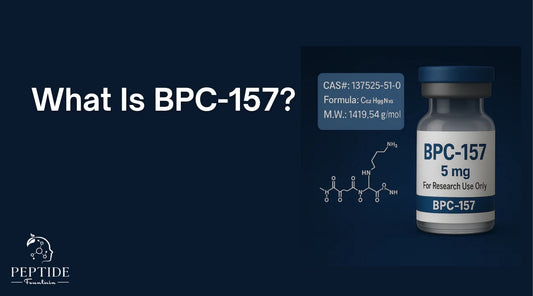
What Is BPC-157? Explore This Regenerative Rese...
BPC-157 is a synthetic peptide studied for its potential in tissue repair, inflammation control, and angiogenesis. Originally derived from gastric proteins, it's used in research models to explore muscle, tendon,...
What Is BPC-157? Explore This Regenerative Rese...
BPC-157 is a synthetic peptide studied for its potential in tissue repair, inflammation control, and angiogenesis. Originally derived from gastric proteins, it's used in research models to explore muscle, tendon,...
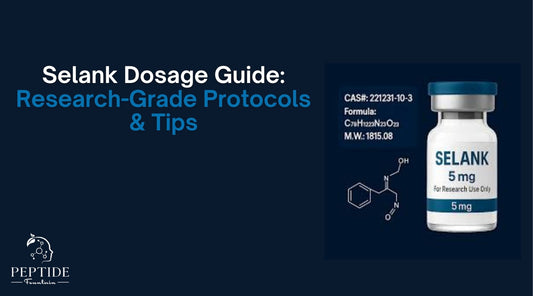
Selank Dosage Guide: Research-Grade Protocols &...
Selank dosage in research typically ranges from 250–300 mcg intranasally, 1–3 times daily for 10–30 days. Reconstitution with 1–2 mL bacteriostatic water is common. Storage at -20°C (lyophilized) and refrigeration...
Selank Dosage Guide: Research-Grade Protocols &...
Selank dosage in research typically ranges from 250–300 mcg intranasally, 1–3 times daily for 10–30 days. Reconstitution with 1–2 mL bacteriostatic water is common. Storage at -20°C (lyophilized) and refrigeration...
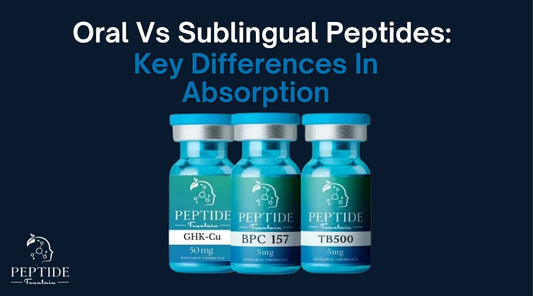
Oral Vs Sublingual Peptides: Key Differences In...
Oral peptides are swallowed and pass through the digestive system, often with low absorption. Sublingual peptides dissolve under the tongue, bypassing the gut to potentially improve uptake. But both methods...
Oral Vs Sublingual Peptides: Key Differences In...
Oral peptides are swallowed and pass through the digestive system, often with low absorption. Sublingual peptides dissolve under the tongue, bypassing the gut to potentially improve uptake. But both methods...


